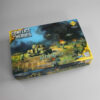
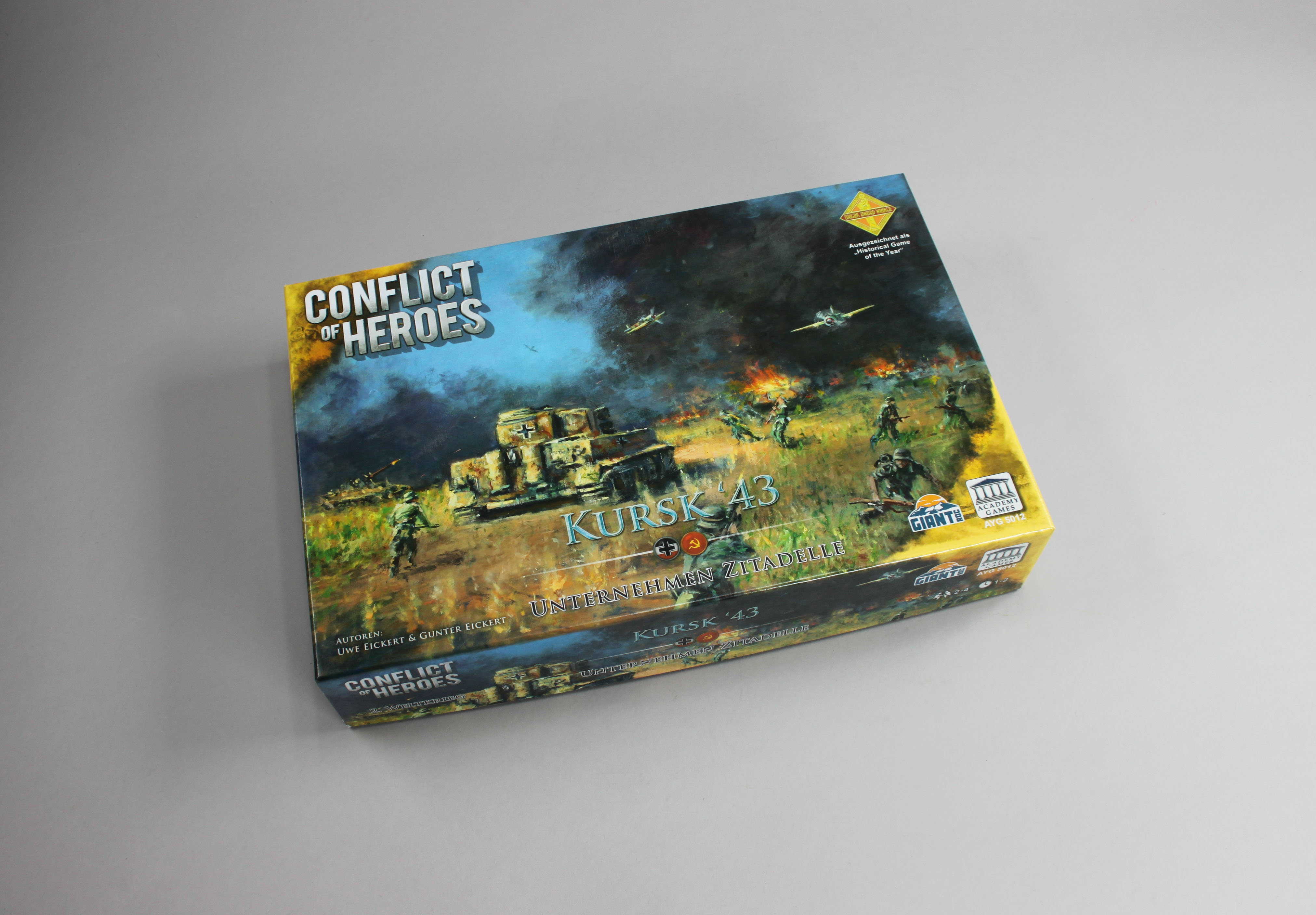
Board game Conflict of Heroes: Kursk ’43, 2020

Inv. no.: DPM 7.543

04/2026

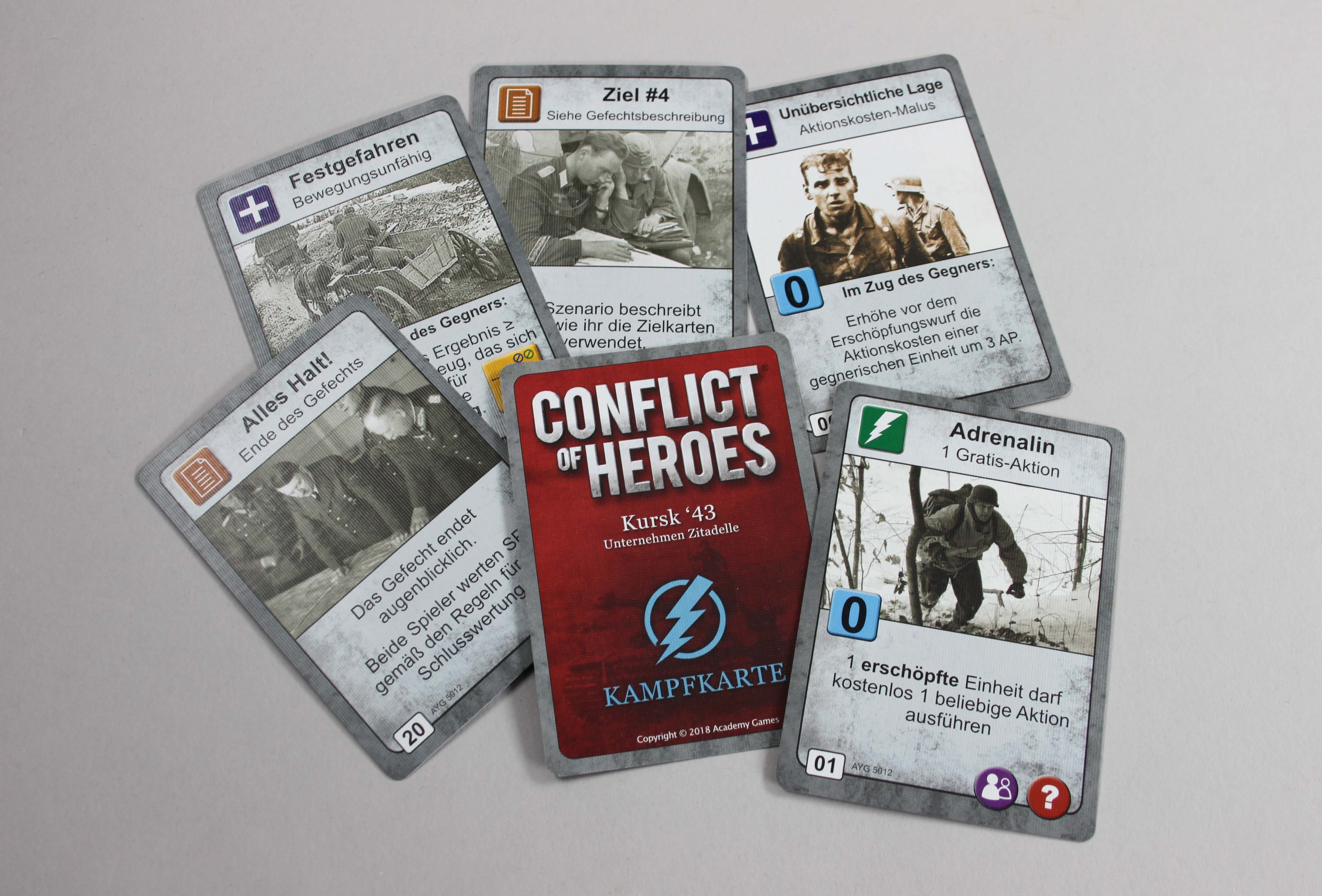
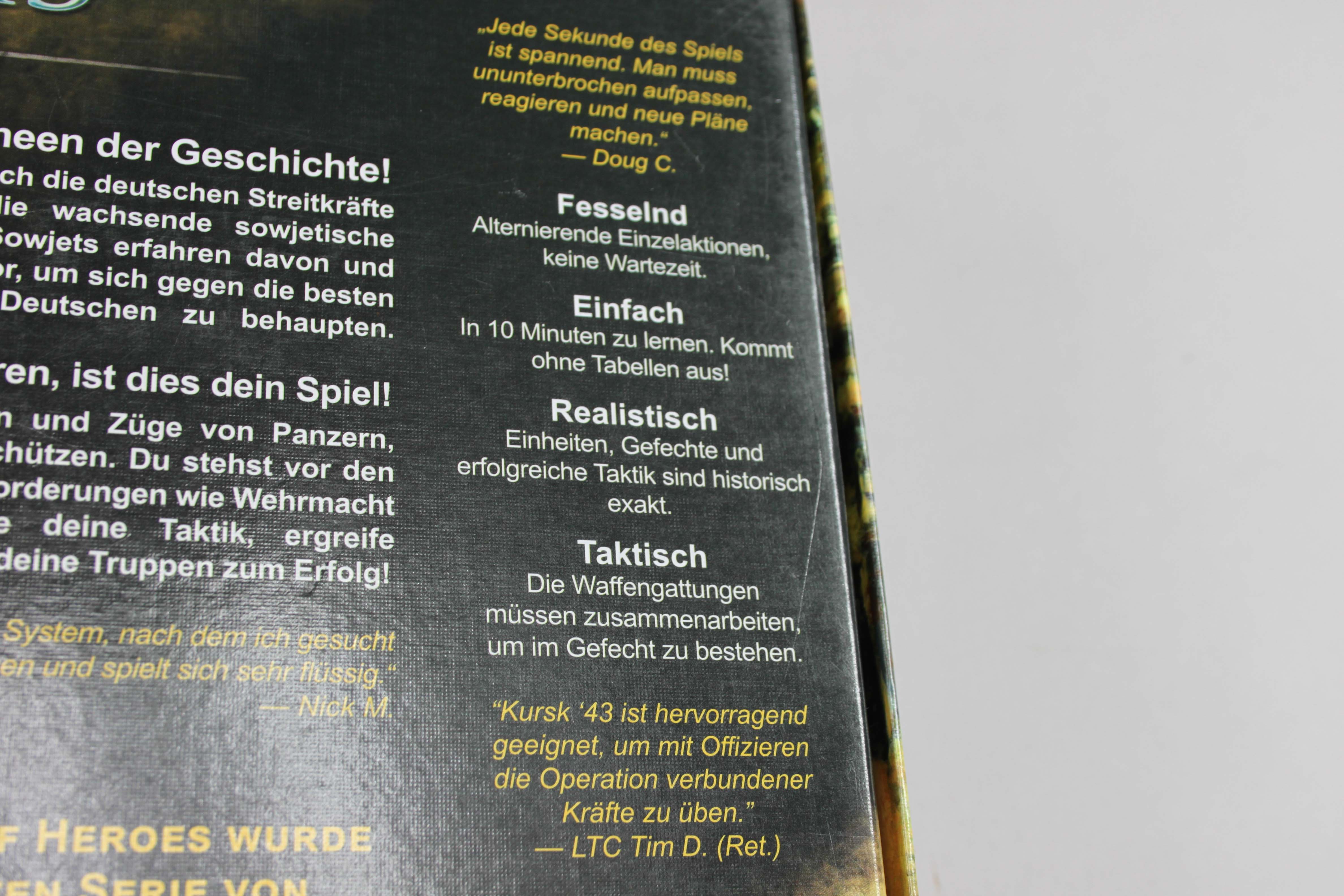
“Kursk ’43” from the “Conflict of Heroes” series by US board game company Academy Games focuses on the battles between the Soviet and German armies during Operation Citadel in the Second World War. Military tactical board games are often complex, but Conflict of Heroes supposedly can be learned within 10 minutes and is designed for 2-4 players aged 14 and over.

The company develops games with historical scenarios and includes manuals which they claim as “neutral, factual insights into the causes of historical events, their course and their lasting effects”. For Kursk ’43, Academy Games has collaborated with two historians and sees its buyers not only among board game fans but also in schools, museums, universities and the military. By taking tactics and logistics into account, players should experience the same challenges of a battlefield as real commanders. The German publisher “Giant Roc” also advertises the game as “realistic” and “historically accurate”.

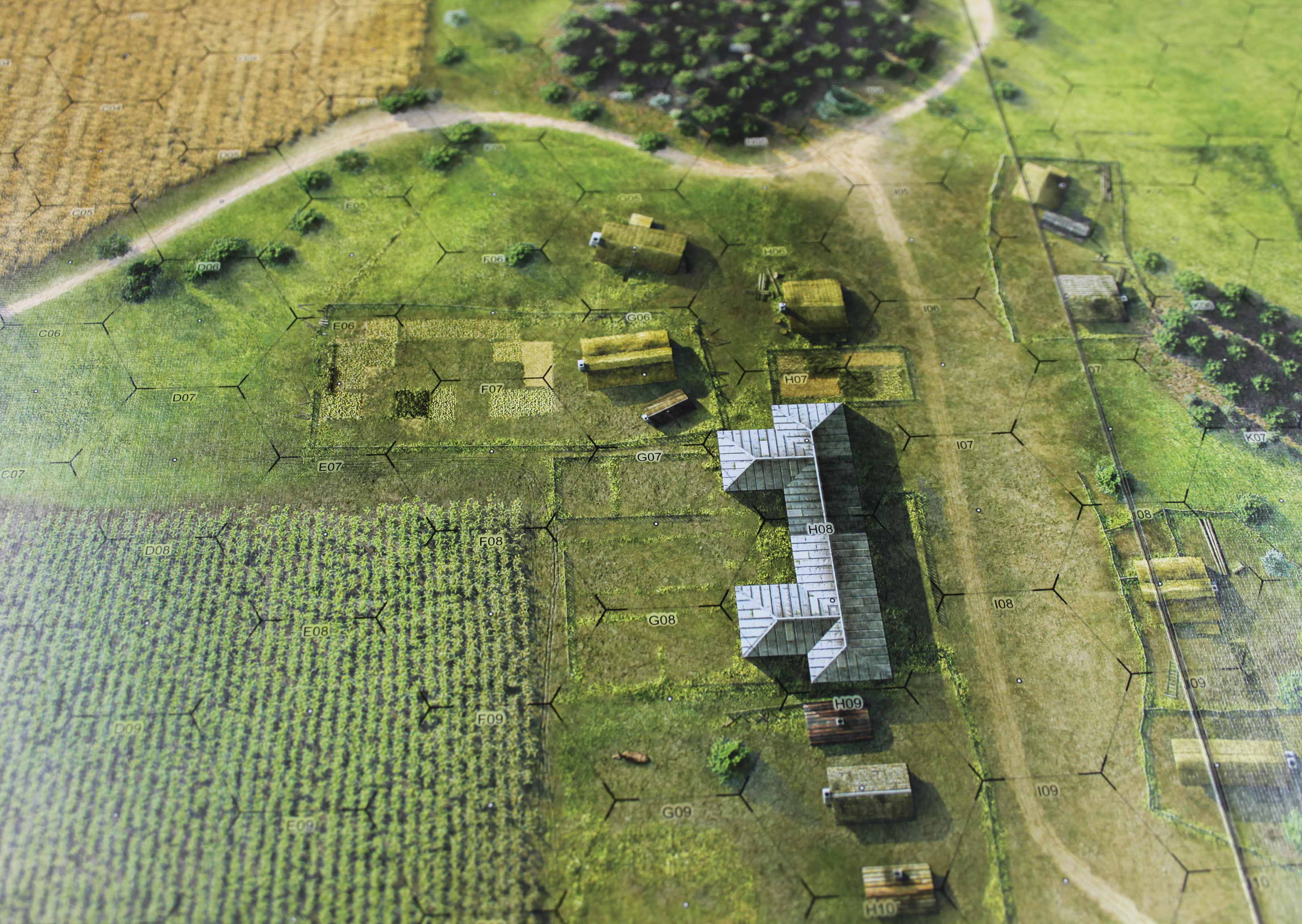
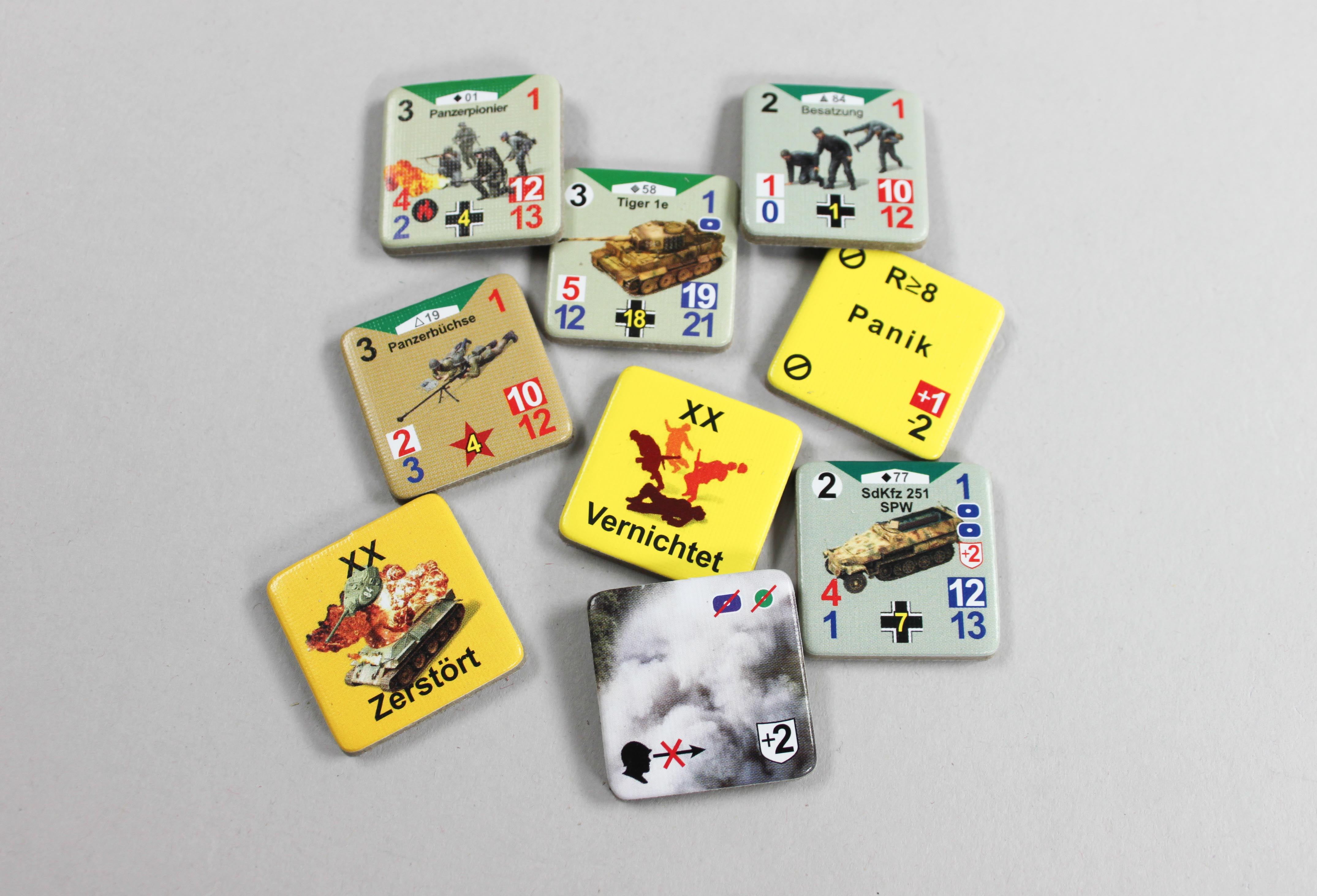
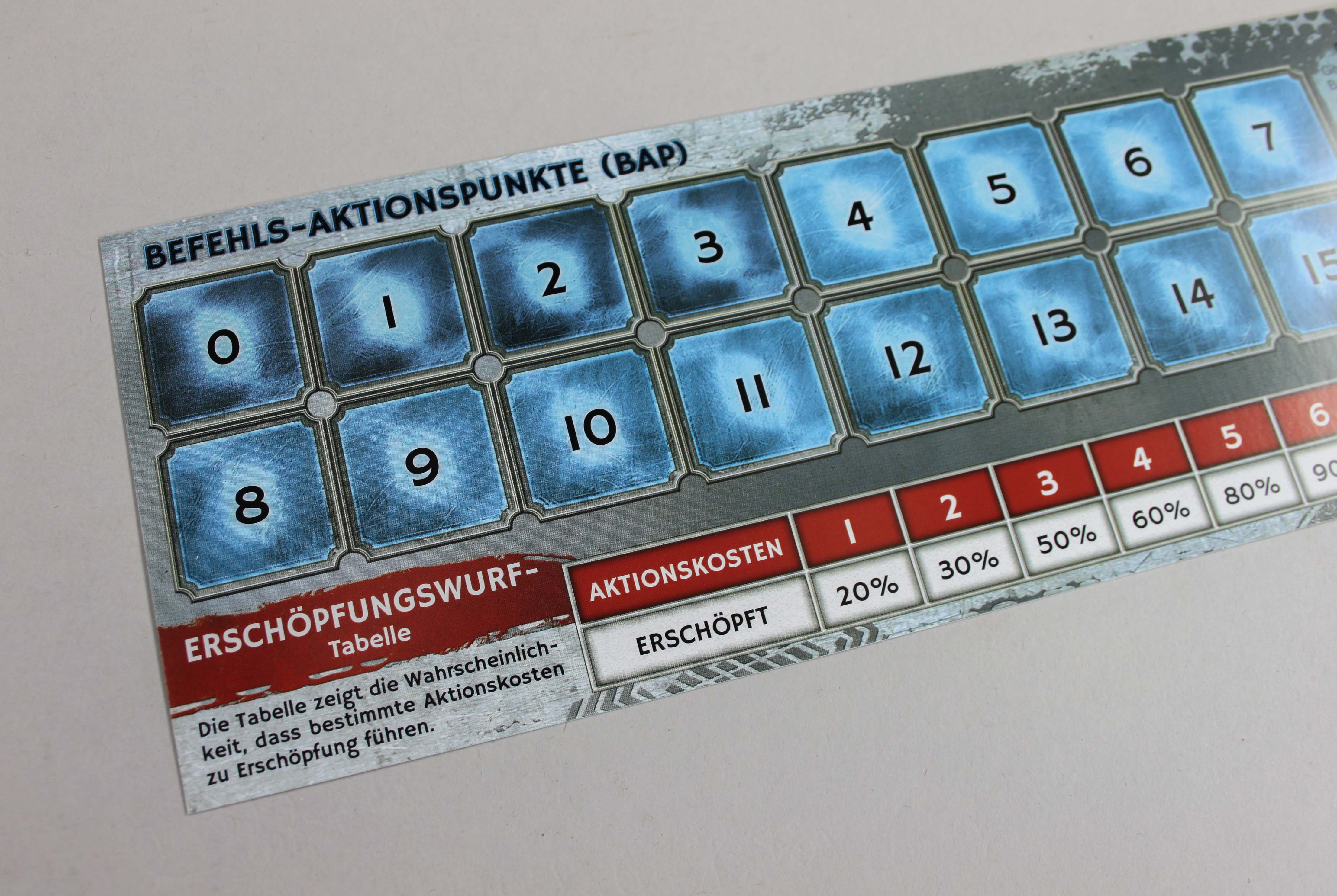
On a map divided into honeycombs, players command a unit from the German or Soviet side in “scenarios”. These consist of differently armed soldiers, but also vehicles such as tanks. Players can perform one action per turn, for example move, attack or reorganize. Actions have different “complexity values” – if the players roll a lower number than the value, the unit is “exhausted” and must skip the rest of the round. This means that either one side wins a battle or both sides have to pass due to units being unable to act and the round ends. However, they can be reactivated with previously earned action points or simply ignore hits for a round using other cards such as “Iron Will”.

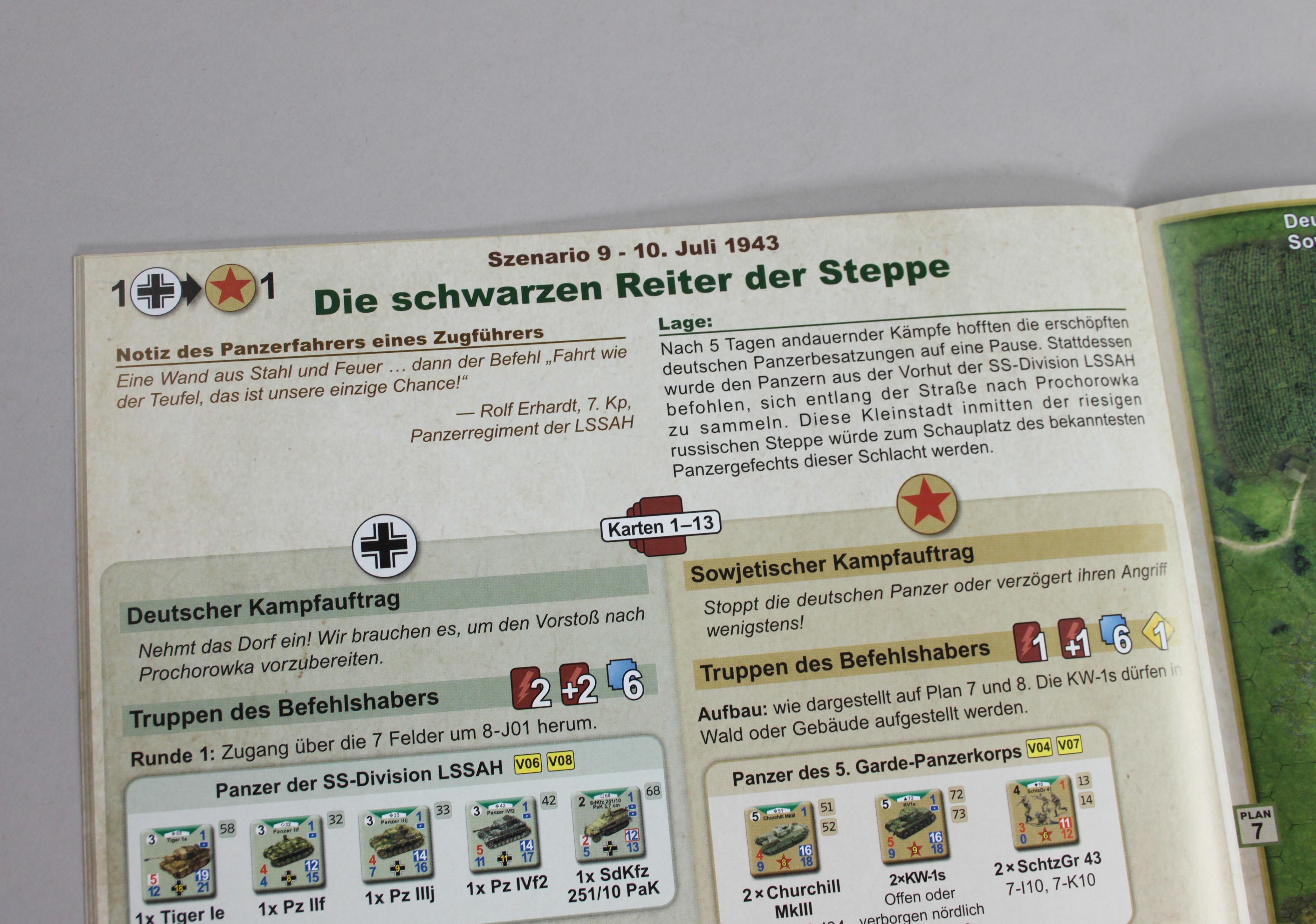
In the scenario “Black Knights of the Steppe”, the players command soldiers from the SS Leibstandarte Adolf Hitler division and are tasked with capturing a village outside Prokhorovka. Both sides can win the scenario. The actual outcomes of the historical battles on which the scenarios are to be based are not mentioned. The game depicts a “clean” war – without civilians, partisan fighting or crimes. The numerous war crimes committed by the Leibstandarte – or any other unit – are not mentioned at all. The handbook’s historical overview also perpetuates myths that have long been outdated by researchers. The war of annihilation against the Soviet Union becomes a backdrop for a fun “conflict of heroes”.

Sources

https://www.academygames.com

Töppel, Roman: Kursk – Mythen und Wirklichkeit einer Schlacht, in: Vierteljahrshefte für Zeitgeschichte, Band 57, Heft 3, 2009. Available at: https://www.ifz-muenchen.de/heftarchiv/2009_3_2_toeppel.pdf

Rieß, Volker: Malmédy – Verbrechen, Justiz und Nachkriegspolitik, in: Wette, Wolfgang / Ueberschär, Gerd R. (Hg.): Kriegsverbrechen im 20. Jahrhundert, Darmstadt 2001.
Object of the month

(short) stories from the depot

Unfortunately, many objects cannot currently be shown in the exhibition for conservation reasons. Here you will find unusual objects and exciting stories of special pieces from the depot