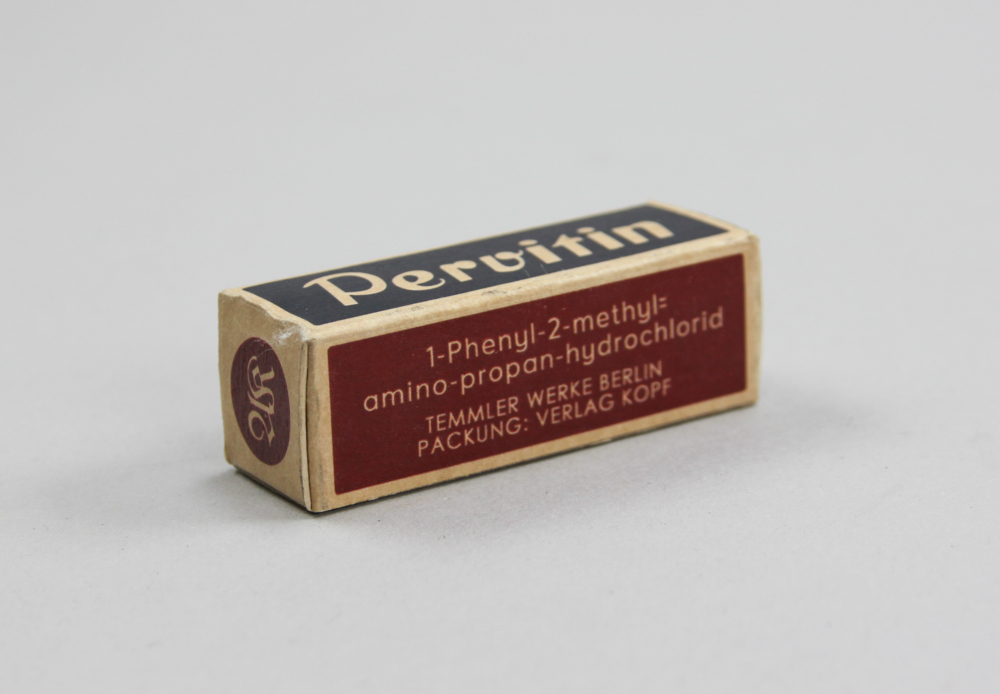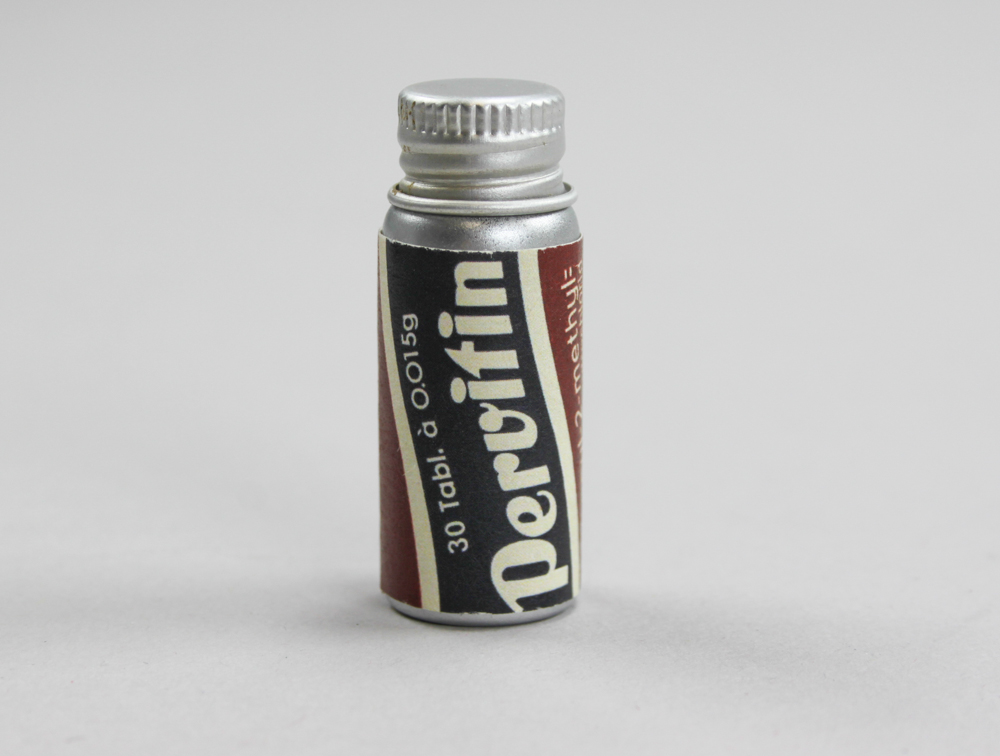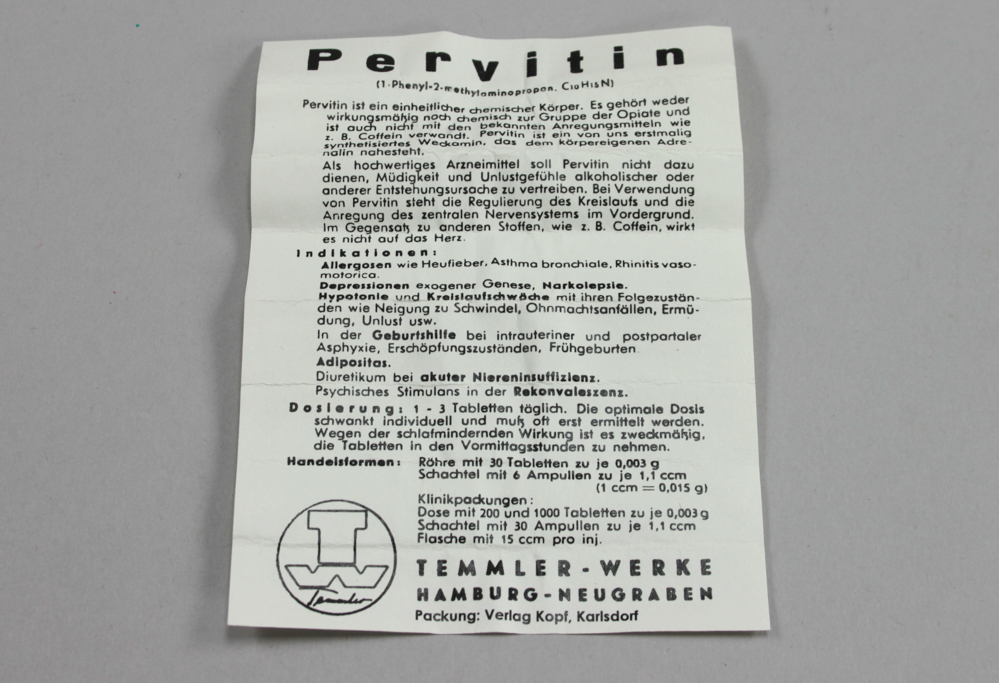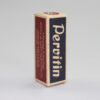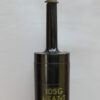
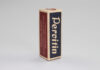
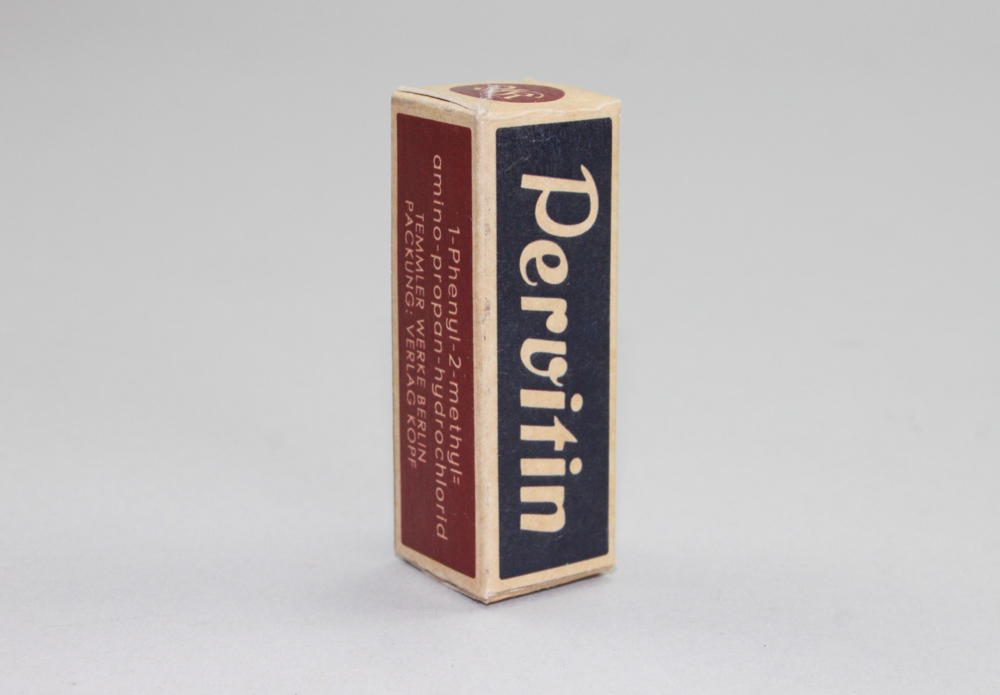
Pervitin bottle (reproduction)

Inv. no.: DPM 7.446

01/2026

The metamphetamine “Pervitin” came onto the German market as a drug in 1938 without sufficient testing. It was recommended for asthma, headaches, depression, schizophrenia, resuscitation of newborns and to alleviate the suffering of cancer patients. As a performance-enhancing and alerting agent, it fitted in with the performance-oriented mindset of National Socialist society. It was used by shift workers, factory workers, security guards and housewives or as a party drug and was even added to chocolate products. Due to its high addictive potential and physical collapse when abused, Pervitin was initially only available on prescription and was finally banned for civilian use in 1941.

The Wehrmacht used the “wake-up drug” until the end of the war. Military doctors distributed it liberally, sometimes without informing the soldiers about its effects and side effects. The official introduction from 1940 was justified by the positive experiences in the invasion of Poland, but also made it possible to limit the previously unregulated distribution and dose. According to the army medical inspector, “in special situations” no consideration was to be given to possible harm to soldiers in favor of military success. The army and air force received 35 million pills for the Battle of France.

Pervitin was supposed to enable the German troops to cover long distances without rest with less sleep and rest periods. In fact, the effect on the individual was very different and difficult to calculate, and there is a lack of data on actual consumption. Much less Pervitin was given out on the Eastern Front, as the war of attrition was already exhausting without enforced sleep deprivation. In the last year of the war, Pervitin made a comeback as an “escape drug”: soldiers used it to be able to retreat as quickly as possible from closing encirclements or from advancing enemies. Some soldiers remained addicted to Pervitin even after the war and suffered damage to their health. Today, the drug is consumed illegally as crystal meth.

Sources

Hartmann, Volker: Neuro-Enhancement in der Wehrmacht am Beispiel von Pervitin – Sachstand und Quellenlage in: Wehrmedizinische Monatsschrift 2021/11. Abrufbar unter: https://wmm.pic-mediaserver.de/z202111/pdf/202111_wmm2021011_S404_Hartmann_Langfassung.pdf

Sagmeister, Peter: (Meth-)Amphetamineinsatz bei den britischen und deutschen Streitkräften während des Zweiten Weltkrieges. Ein Vergleich (Diplomarbeit), Graz 2019.

Steinkamp, Peter: Pervitin (Metamphitamine) tests, use and misuse in the German Wehrmacht, in: Eckart, Wolfgang U.: Man, Medicine, and the State – The Human Body as an Object of Government Sponsored Medical Research in the 20th Century, Stuttgart 2006.

Object of the month

(short) stories from the depot

Unfortunately, many objects cannot currently be shown in the exhibition for conservation reasons. Here you will find unusual objects and exciting stories of special pieces from the depot